Residue can penetrate materials
Porous materials such as drywall, carpets, and upholstery can absorb smoke-related contaminants beyond the reach of a surface wipe.




Nicotine remediation addresses the cigarette smoke residue that can build up throughout a property after long-term indoor smoking. Yellow-brown staining and a lingering smell can be signs that your home needs more than routine cleaning.
Whether you're preparing a home for sale, moving into a previously smoked-in property, or helping a loved one with a fresh start, Platinum Cleaning Service takes a thorough approach to affected surfaces and odour sources.
We start by assessing the property so we can recommend a cleaning plan and discuss what treatment can realistically achieve.
Discuss your nicotine cleaning needs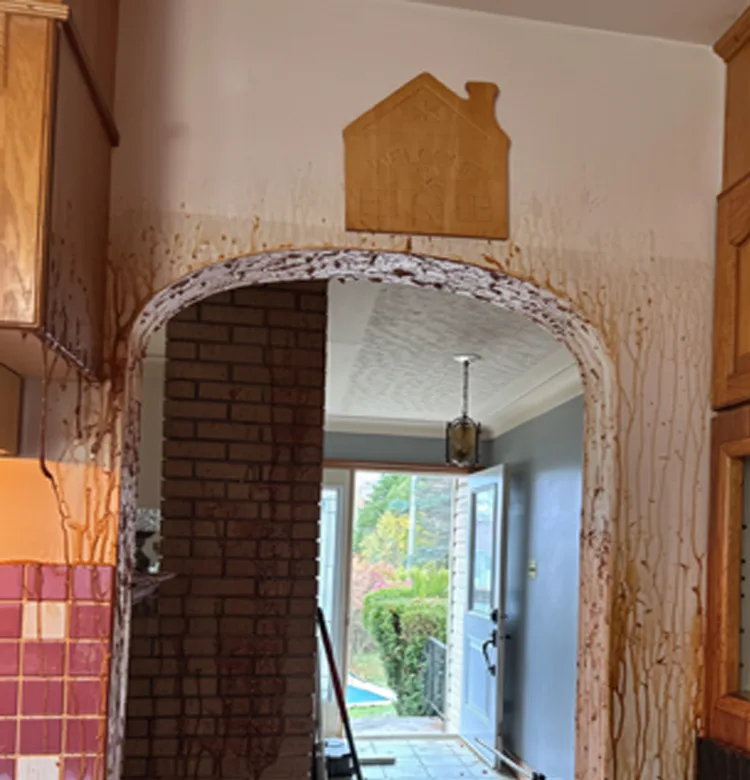 Before
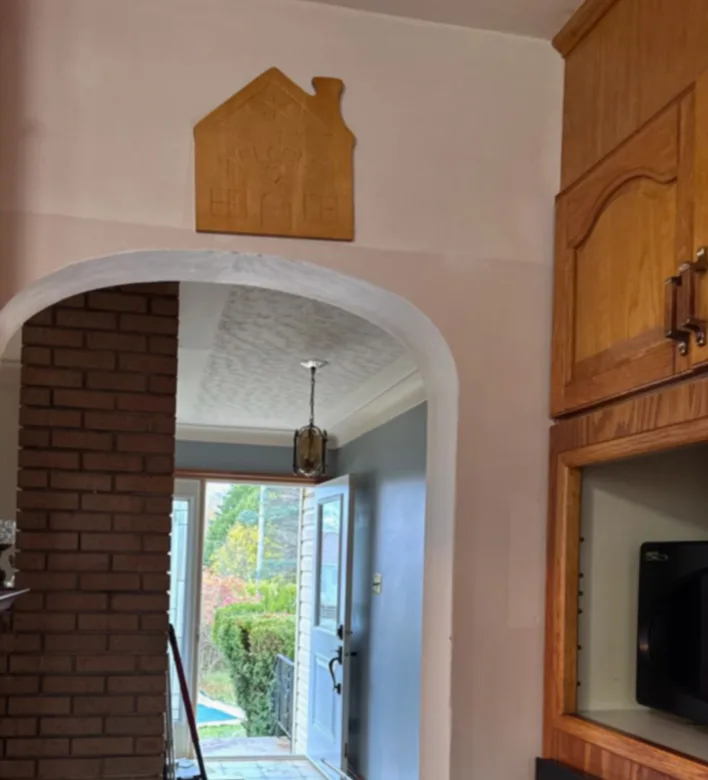 After
Cigarette smoke doesn't simply disappear when the air clears. It leaves nicotine and other smoke-related chemicals on surfaces, in dust, and absorbed into materials. This lingering contamination is known as thirdhand smoke.
Unlike ordinary household dirt, smoke residue can build up throughout a home and penetrate porous materials. Scrubbing visible stains, airing out a room, or adding a fresh coat of paint may leave some of that contamination behind.
Professional remediation takes a systematic approach to affected surfaces and odour sources. The goal is to address the residue behind the problem, with a plan based on the condition of your property.
Call 902-329-9666Porous materials such as drywall, carpets, and upholstery can absorb smoke-related contaminants beyond the reach of a surface wipe.
Contaminants held in materials can gradually be released back into the air, helping explain why cigarette smells can persist after cleaning or airing out a room.
Ceilings, doors, cabinets, flooring, fixtures, and furnishings can all collect residue. Cleaning only the obvious stains may leave other sources behind.
Air fresheners may mask the smell, and household products can remove some surface buildup. They may leave contamination absorbed into materials untreated.

If you've already tried sprays or household cleaners, the next step is understanding where residue remains and what the affected materials need.
| Household or DIY cleaning | Professional remediation |
|---|---|
| Often focuses on visible staining. | Assesses affected areas and the extent of smoke residue. |
| Air fresheners may temporarily mask the odour. | Focuses on identifying and addressing odour sources. |
| Common products may remove some surface residue. | Uses a planned approach with methods suited to affected surfaces. |
| Less obvious areas can be overlooked. | Includes affected ceilings, trim, cabinetry, doors, and fixtures in the cleaning plan. |
| May involve repeated attempts without resolving the smell. | Helps identify when cleaning alone may be insufficient. |
We target yellow-brown staining, tar buildup, and smoke residue on walls, ceilings, and trim with cleaning methods suited to the surface.
We clean affected hard floors, baseboards, doors, cabinetry, and fixtures as part of a systematic approach to smoke residue.
We focus on affected surfaces and materials that may be contributing to persistent cigarette odours, with treatment based on the property's condition.
We assess the extent of visible buildup and affected areas before recommending a cleaning plan, with realistic expectations about what cleaning can achieve.
We follow a structured approach to address smoke residue throughout the affected space, with realistic expectations for the materials involved.
Talk to our team1.
Detailed Assessment
We evaluate the property to identify affected areas and determine the extent of nicotine buildup.
2.
Targeted Surface Treatment
We clean affected walls, ceilings, trim, flooring, cabinetry, and fixtures using methods suited to each surface.
3.
Odour Source Treatment
We address affected surfaces and materials contributing to lingering smells, based on the agreed cleaning plan.
4.
Review & Next Steps
We review the treated areas and discuss any remaining concerns, including where cleaning alone may be insufficient.
Smoke residue can remain in carpets, upholstery, drywall, and other materials after visible surfaces have been cleaned. These materials can continue to release smoke-related compounds into the air. Residue on overlooked surfaces may also contribute to the smell. A property assessment helps determine which affected areas need attention.
Household cleaners can remove some residue from washable surfaces, while air fresheners may temporarily cover the smell. Neither necessarily reaches contamination absorbed into porous materials. If staining or odour persists after cleaning, a more systematic approach may be needed.
A fresh coat of paint can improve appearance, but it does not remove smoke residue elsewhere in the property or contamination absorbed into materials. Odour may persist even after repainting. Assessing and addressing affected surfaces before decorating helps you understand whether cleaning or further work is needed.
Complete removal cannot be guaranteed. Results depend on the extent of contamination and the materials affected. In heavily smoke-damaged properties, carpets, drywall, upholstery, or other materials may need replacing. Platinum assesses affected areas and discusses the limits of cleaning before recommending a treatment plan.
Call Platinum Cleaning Service or use the quote form to tell us about the property, affected rooms, and any cleaning you have already tried. We serve Halifax, Dartmouth, and the wider HRM. The recommended scope of work depends on the property's condition and the surfaces involved.
Whether you're:
Tell us about the property and what you've already tried. We'll discuss the affected areas and recommend the next step for your home.
Discuss your property's smoke residue